
OpenAI Pauses GPT-5.6 Over Government Request—What Small Businesses Need to Know
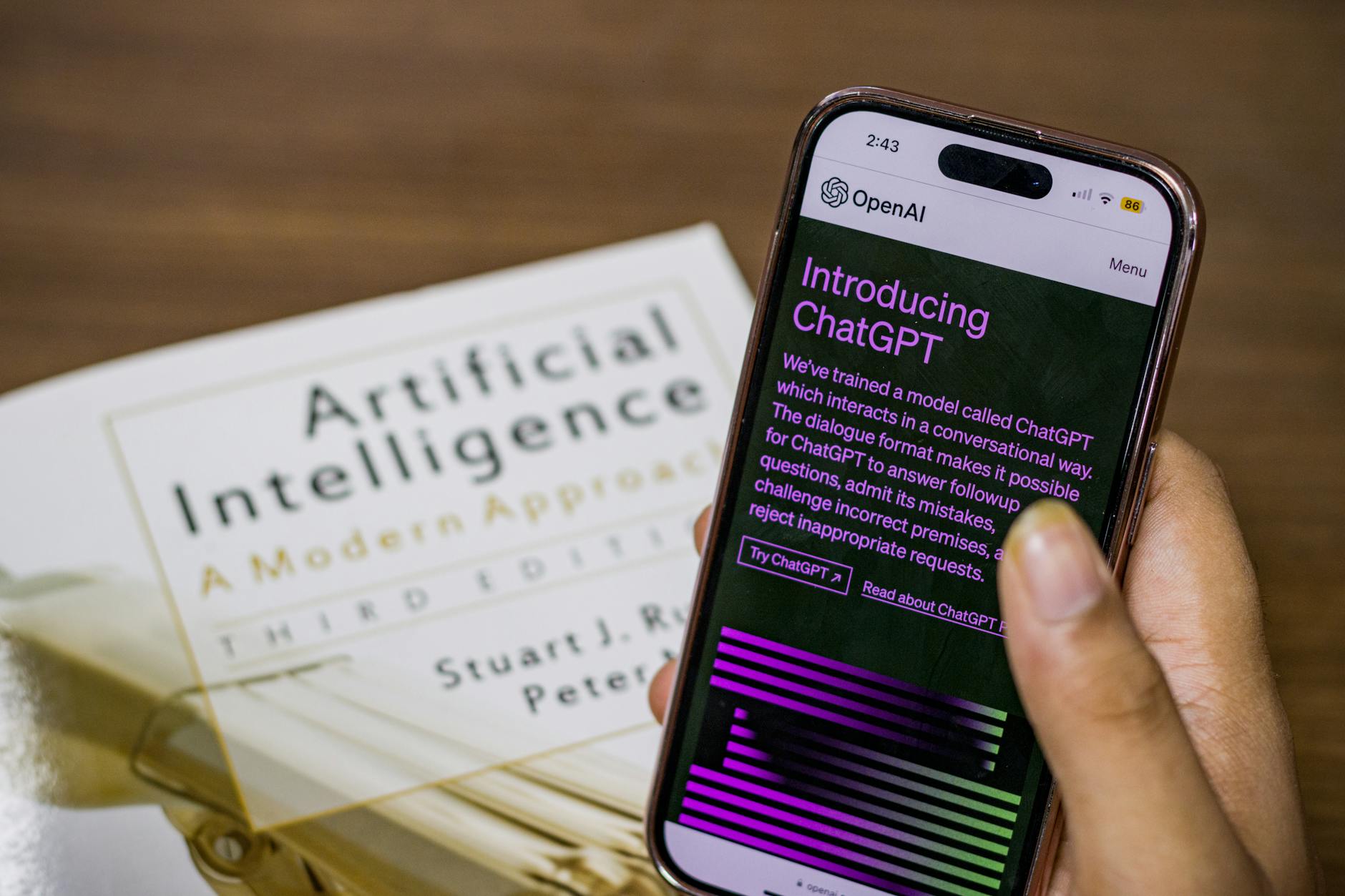
OpenAI Hits Pause on GPT-5.6 After Government Request—Here's Why It Matters
OpenAI has temporarily limited the rollout of its GPT-5.6 model following a government request. The company stated publicly that it doesn't believe this type of government access process should become standard practice, warning that such restrictions keep powerful tools away from the businesses and developers who need them most.
For small business owners, this situation highlights a growing tension between AI regulation and innovation. Right now, you can access cutting-edge AI tools that help you write better emails, manage customer service, and plan marketing campaigns. But if government approval processes become the norm for releasing new AI models, that pipeline of new tools could slow down significantly. OpenAI's position suggests they're concerned that overly cautious release procedures will benefit large corporations with compliance teams while leaving smaller operations at a disadvantage.
The timing matters. As you're likely exploring AI tools for your business, competition is fierce and capabilities are advancing rapidly. Any slowdown in releasing improved models could impact your ability to stay competitive. Regulatory hurdles that only big companies can navigate effectively create an uneven playing field.
What's particularly important here is OpenAI's messaging. By publicly stating their position, they're signaling they'll resist what they see as unnecessary restrictions. This could influence how future AI regulations develop and whether governments take a lighter touch with deployment approvals.
What to watch: Pay attention to how this plays out over the coming months. If more AI companies face similar government requests, you might see the industry push back collectively against heavy-handed regulation. That could either result in faster AI releases reaching your business—or conversely, more cautious rollouts if government pressure increases.
```


